Tool theft & recovery
What to Do If Your Tools Are Stolen
A practical step-by-step response plan for reporting theft, gathering evidence and getting your records together quickly.
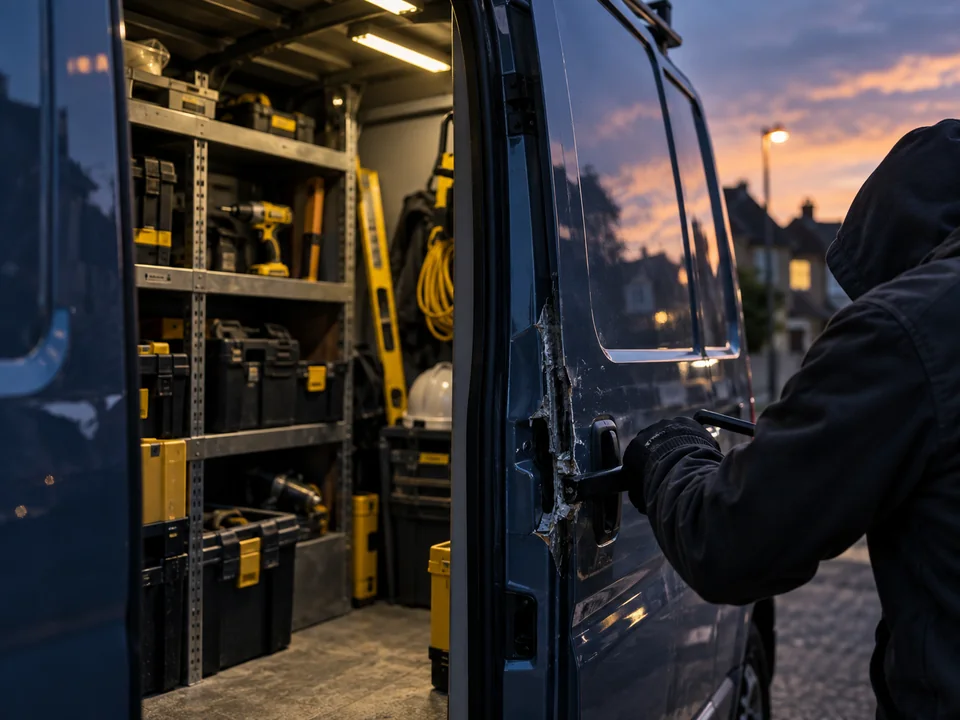
Discovering that tools have been stolen is stressful and disruptive. The priority is to report the incident, preserve useful evidence, identify exactly what is missing and give the police and your insurer accurate information. Good records make all of those steps easier.
Secure the scene and record what you can see
If you discover a forced van, damaged lock or disturbed storage area, avoid moving more than you need to. Photograph visible damage and the surrounding area before tidying up, where it is safe to do so. Note the approximate time you last saw the tools, where the vehicle or equipment was stored and anything unusual you noticed.
If the theft is in progress or there is an immediate danger, use the appropriate emergency route. Otherwise report the theft through the police channel that applies locally. Keep the crime reference number and the date of the report; you may need both when speaking to an insurer or updating your own records.
Create one definitive list of what is missing
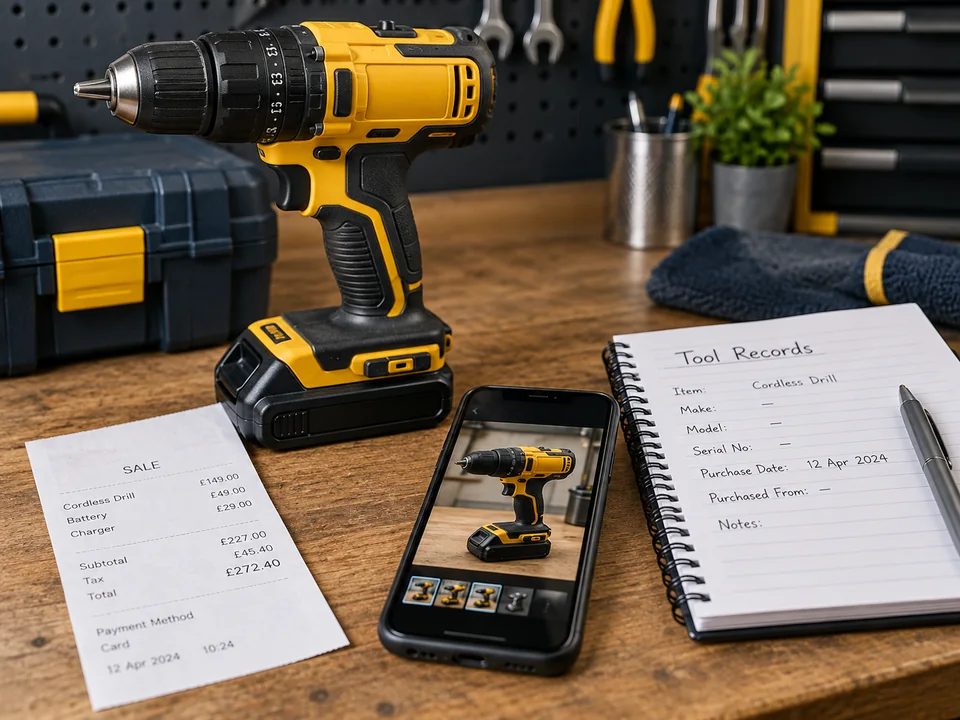
Do not rely on memory alone. Work through your inventory and mark each missing item. For every tool, record the brand, model, serial number, approximate value, purchase date, usual storage location and any distinctive marks. If batteries, chargers or accessories were also taken, list those separately where they have value or identifying details.
A single clean list is much easier to use than a mixture of screenshots, texts and handwritten notes. If you discover another missing item later, update the same list rather than creating competing versions.
Gather ownership and identification evidence
Police.uk recommends noting serial numbers, taking photographs of valuable items and keeping documents such as receipts so ownership can be demonstrated. Bring together the strongest information you have for each missing tool: serial-number photos, full-tool photos, receipts or invoices, supplier order confirmations and any property-marking information.
Not every old tool will have perfect paperwork. That is normal. Use the evidence you genuinely have and avoid inventing dates, values or serial numbers. Consistent records are more useful than overconfident estimates.
Contact your insurer and follow the policy process
If the tools are insured, notify the insurer promptly and follow the claims instructions in your policy. Insurers can ask for different information, so treat your own policy and the insurer’s requests as the authority. Keep copies of forms, emails, lists and photographs that you send.
Where you are asked for replacement values or proof of purchase, provide the clearest evidence available and explain any gaps. A well-maintained inventory does not guarantee a claim outcome, but it can reduce the time spent reconstructing basic facts.
Update security and records after the incident
Once the immediate reporting is done, mark stolen items clearly in your inventory and keep a note of the incident against them. If a tool is recovered or replaced, record that too so the history remains understandable later.
Use the incident as a practical security review. Police guidance for vans includes locking vehicles, avoiding leaving tools overnight where possible, using lockable internal storage, property marking and keeping identifying records. Choose measures that fit the way you actually work rather than relying on one device or deterrent.
What ToolStack can help you do
ToolStack is most useful before something goes wrong: keep tool details, serial numbers, photos, receipts and locations together, then use those records to build a clear evidence pack if you need one. It is an organisational tool, not a replacement for the police, an insurer or professional advice.
The useful habit is simple: when you buy or acquire a tool, add the identifying information while it is easy to find. That turns an emergency search through paperwork into a quick review of records you already maintain.
Common questions
Things people often ask.
Should I wait until I know every missing item before reporting the theft?+
No. Report the incident promptly using the appropriate police route, then update your own inventory as you confirm further missing items. Keep one definitive list so later additions are clear.
What if I do not have every receipt?+
Use the genuine evidence you do have, such as serial numbers, photographs, supplier records or order confirmations, and ask your insurer what alternatives it accepts. Do not invent replacement evidence.
Should stolen tools stay in my inventory?+
Usually it is useful to keep the record and change its status to stolen rather than deleting it. That preserves the serial number, photographs and incident history if the tool is recovered later.
Official sources & further reading
Check the current guidance.
Rules, tax treatment, policy conditions and security advice can change. These official sources support the practical guidance above and are the right place to verify current requirements.