
Tool records & inventory
How to Build a Complete Tool Inventory
A practical way to catalogue tools without turning the job into a week-long admin project.
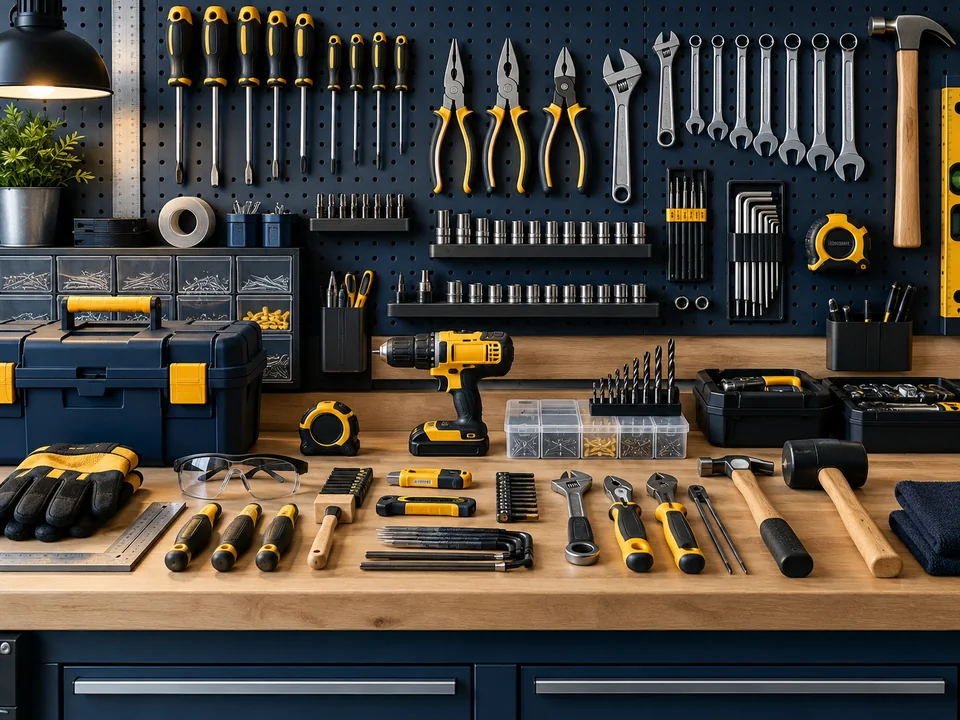
A useful inventory is not a giant spreadsheet for its own sake. It is a clear record of the tools that matter, enough identifying information to tell them apart, and supporting evidence you can find quickly.
Prioritise the tools that matter most
Begin with expensive equipment, items that would stop you working if lost, and tools that are easy to identify by serial number. This gives you useful coverage quickly and avoids the common mistake of abandoning the project halfway through because the list feels endless.
You can add low-value accessories later if they are worth tracking for your business.
Create one record per identifiable item
For each tool, record a clear name, brand, model, serial number, approximate or purchase value, purchase date and usual location. If you have three identical drills, each should have its own serial number and record rather than one combined entry.
For kits, decide whether the case and major components need separate records based on value and how they are replaced.
Photograph the tool and identifiers
Add a full-tool photo and close-ups of serial plates, engravings or distinctive marks. Police.uk recommends photographing valuable items and recording serial numbers so recovered property can be identified and ownership can be demonstrated.
Keep the images linked to the inventory entry instead of relying on your general camera roll.
Attach purchase and ownership evidence
Add receipts, invoices or supplier confirmations when available. Record the supplier and purchase date in searchable text so you can still find the transaction if the document image is hard to read.
For older tools with incomplete evidence, record what you genuinely know and improve the record when you find reliable documentation.
Track status and location
An inventory becomes more useful when it reflects reality. Mark tools as in use, stored, loaned, stolen, sold or replaced as appropriate. Record a normal storage location such as van, workshop or site store if that helps your workflow.
Do not try to turn the system into live asset tracking unless you actually need that complexity.
Schedule light maintenance of the inventory
Review a small portion of the inventory each month. Remove duplicates, update photos after repairs, attach missing receipts and archive tools you no longer own.
A maintained inventory is more valuable than a perfect inventory created once and ignored for years.
Common questions
Things people often ask.
Do I need to record every small hand tool?+
Not necessarily. Start with high-value, business-critical and uniquely identifiable equipment, then expand the inventory to the level that is useful for your business.
How should I handle identical tools?+
Create a separate record for each unit and use the serial number, photos or a business property mark to distinguish them.
Should sold tools be deleted?+
Usually it is better to archive them or change their status so the historical record remains available without cluttering the active inventory.
Official sources & further reading
Check the current guidance.
Rules, tax treatment, policy conditions and security advice can change. These official sources support the practical guidance above and are the right place to verify current requirements.
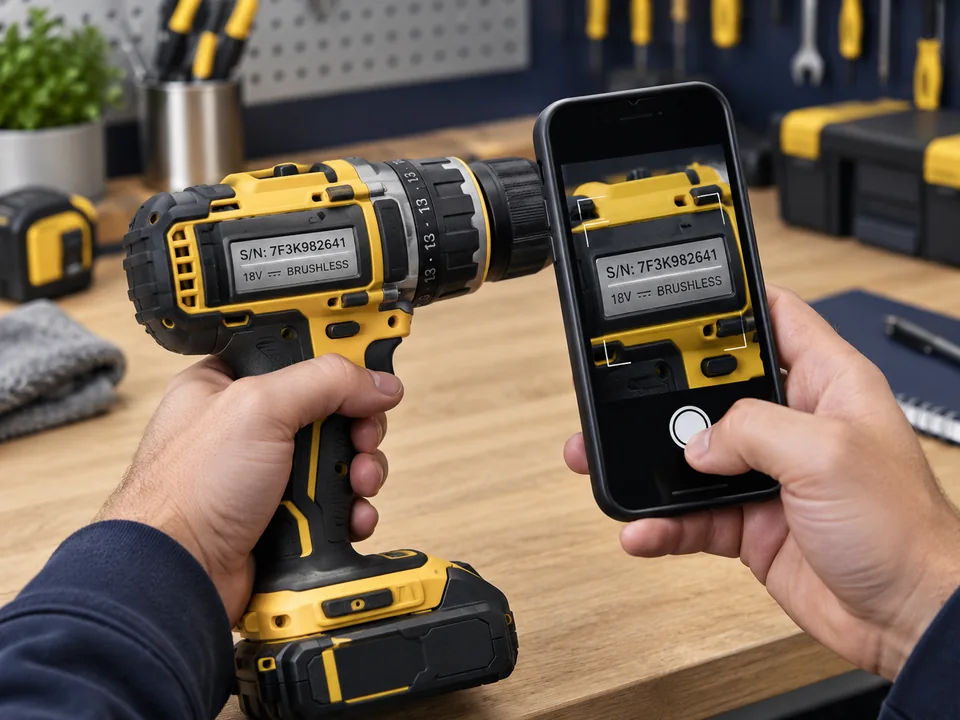
How to Record Tool Serial Numbers Properly
A simple method for recording serial numbers so your tool inventory is actually useful when you need it.
Read guide →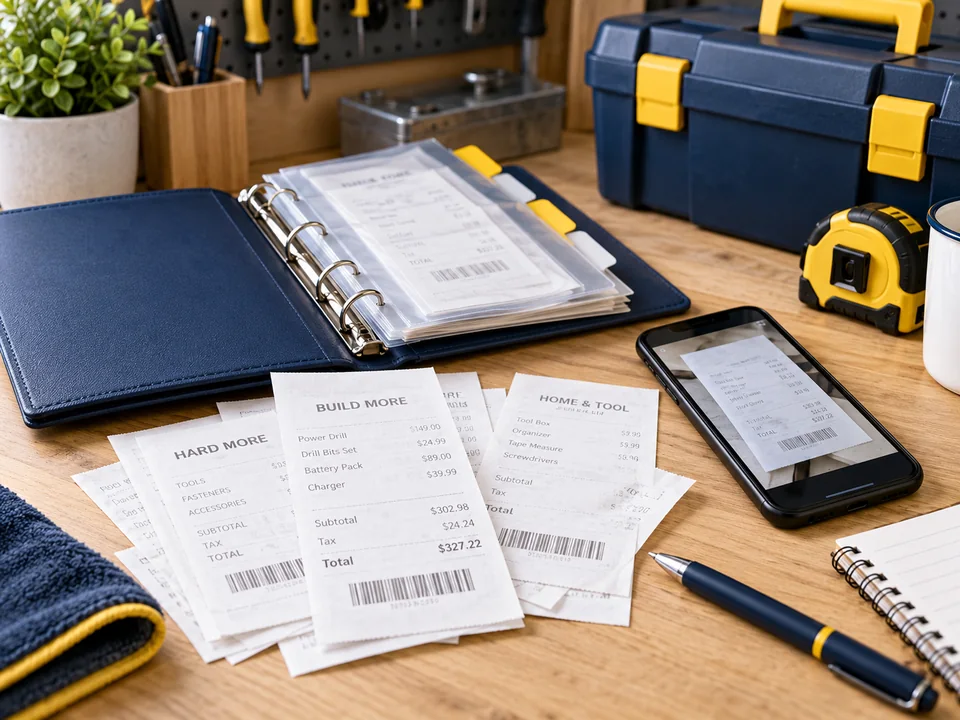
How to Keep Tool Receipts and Proof of Purchase
A simple system for keeping purchase evidence attached to the tools it belongs to.
Read guide →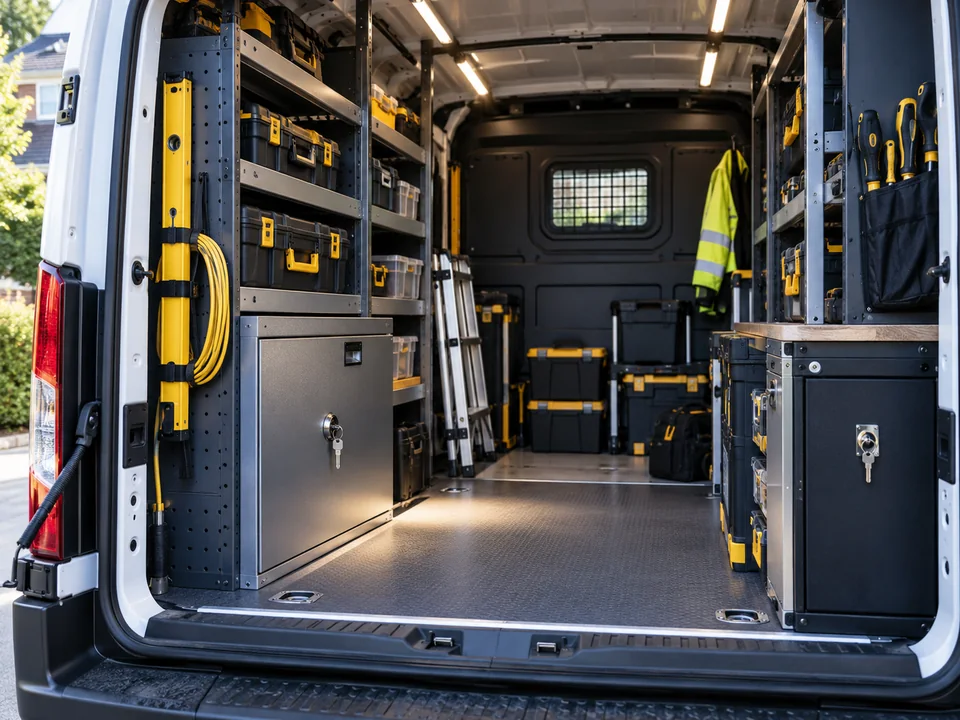
How to Protect Tools in a Work Van
Practical habits that can reduce opportunity for theft and improve the records you have if something goes wrong.
Read guide →