
Tool records & inventory
How to Record Tool Serial Numbers Properly
A simple method for recording serial numbers so your tool inventory is actually useful when you need it.
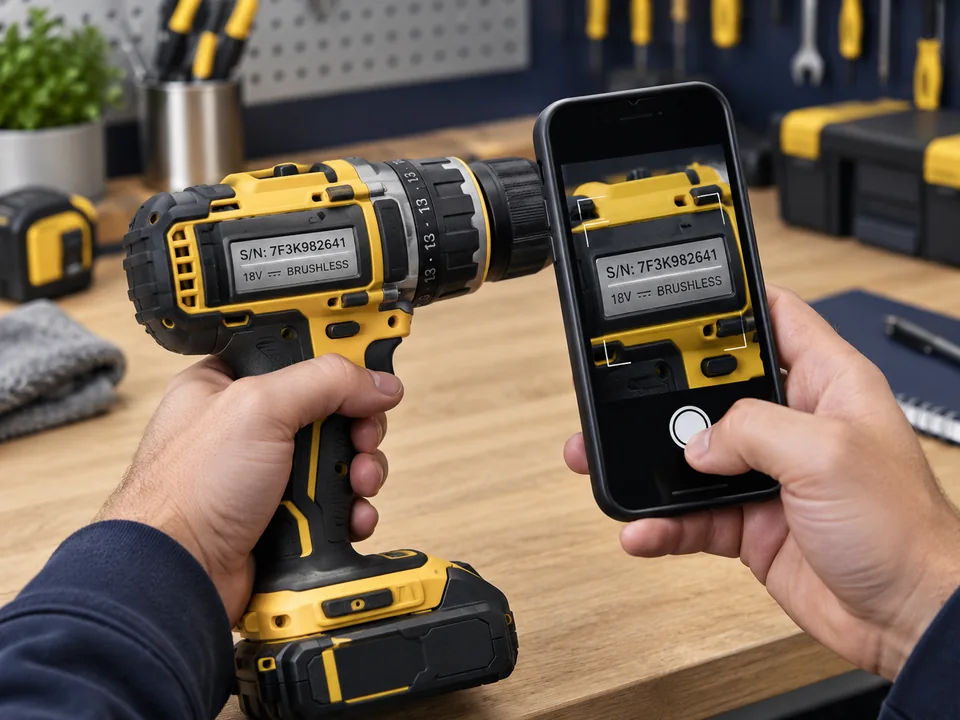
A serial number can distinguish your tool from thousands of identical models. Recording it accurately, with a supporting photograph and the right tool details, makes an inventory far more useful for theft reports, insurance evidence and everyday asset control.
Know the difference between model and serial numbers
A model number identifies a product type; a serial number normally identifies one particular unit. Manufacturers place identifiers in different locations, including rating plates, labels, housings, battery compartments and packaging. If there are several codes, look for labels such as Serial, S/N, SN or Serial No.
If you are uncertain which code is unique, check the manufacturer’s documentation rather than guessing. Recording the wrong identifier can create false confidence and may not help when you need to identify a recovered tool.
Copy every character carefully
Record the number exactly, including letters, leading zeros, spaces or hyphens where shown. Similar-looking characters such as 0 and O, 1 and I, or 5 and S are common sources of mistakes.
If you use a camera or scanning feature to capture a number, always compare the saved result with the physical label before moving on. Automation is useful for speed, but the record still needs a human check.
Take a close-up photograph of the identifier
Photograph the serial plate or engraving so the characters are legible. Use good light, avoid reflections and move close enough for the text to be readable without heavy zooming. If the label is curved or awkward, take two angles rather than one blurry image.
Police.uk specifically recommends recording serial numbers and taking photographs of valuable items. A photo of the identifier is useful because it supports the number you typed and shows where it appears on the tool.
Add a full-tool photo and descriptive details
A serial number is stronger when it sits inside a complete record. Add a full-tool photograph, brand, model, purchase date, value, colour, accessories and any distinctive wear, engravings or markings. If you have several identical tools, give each one its own record.
For sets or kits, decide whether you need one record for the whole kit or separate records for high-value components. Consistency matters more than complexity.
Review older tools in sensible batches
Do not wait until you can catalogue an entire van in one sitting. Start with high-value or frequently used tools, then add a few older items each week. This is easier to maintain and means your most important equipment is covered first.
When a label becomes worn or damaged, a previously captured photo may become especially valuable. Update photos after repairs, replacement housings or significant changes to the tool.
Keep serial numbers exportable and easy to find
The point of recording identifiers is to retrieve them quickly. Test your system by choosing a tool at random and seeing how long it takes to find its serial number, photo and purchase information.
If you can export or report your inventory, periodically check that the serial numbers appear clearly. A record that cannot be found or shared when needed is only partly useful.
Common questions
Things people often ask.
Is the model number the same as the serial number?+
Usually not. A model number identifies a product type, while a serial number normally identifies one particular unit. Check the manufacturer’s label or documentation if you are unsure.
Should I photograph the serial number as well as typing it?+
Yes. A clear close-up supports the typed record and can help resolve mistakes such as confusing a zero with the letter O.
What if the serial label is already damaged?+
Record every readable character, photograph the label from more than one angle and check old packaging, invoices or manufacturer records for a reliable identifier. Mark any uncertainty in your own notes.
Official sources & further reading
Check the current guidance.
Rules, tax treatment, policy conditions and security advice can change. These official sources support the practical guidance above and are the right place to verify current requirements.
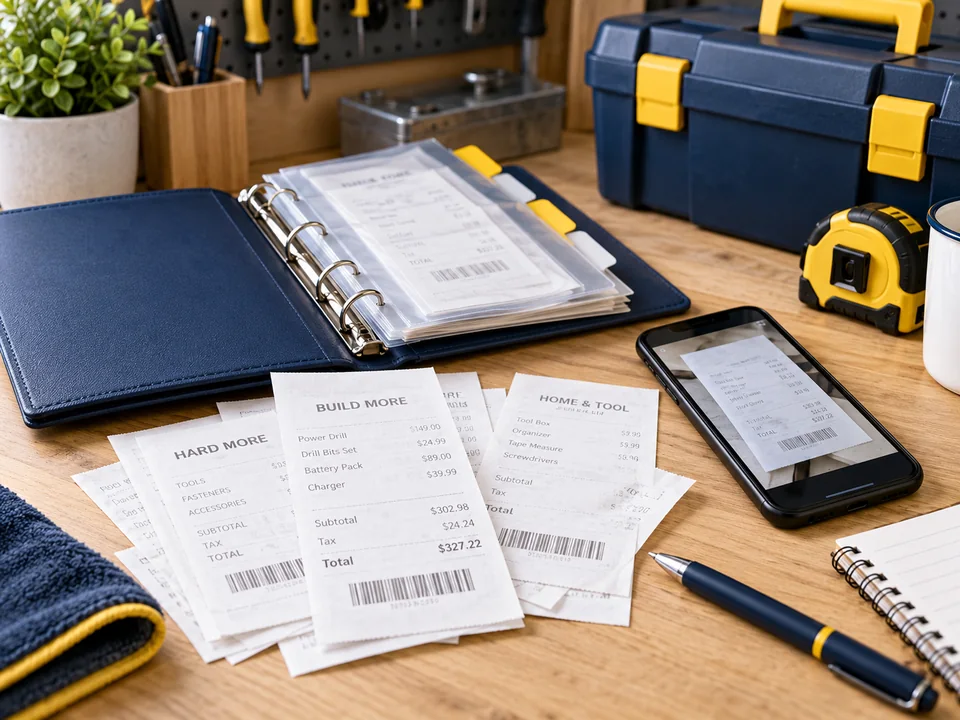
How to Keep Tool Receipts and Proof of Purchase
A simple system for keeping purchase evidence attached to the tools it belongs to.
Read guide →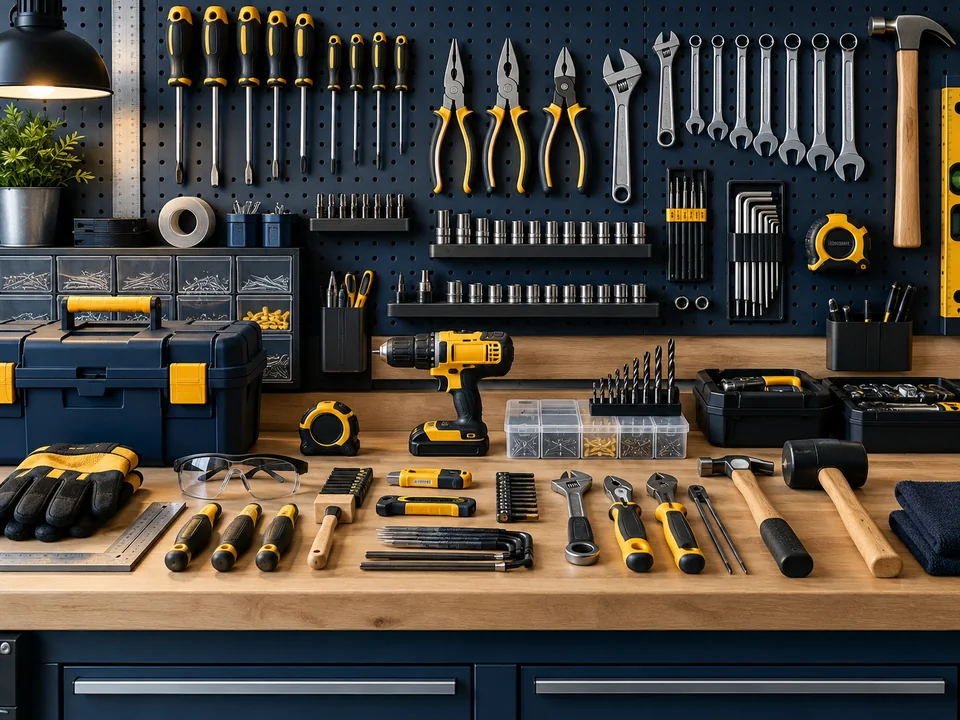
How to Build a Complete Tool Inventory
A practical way to catalogue tools without turning the job into a week-long admin project.
Read guide →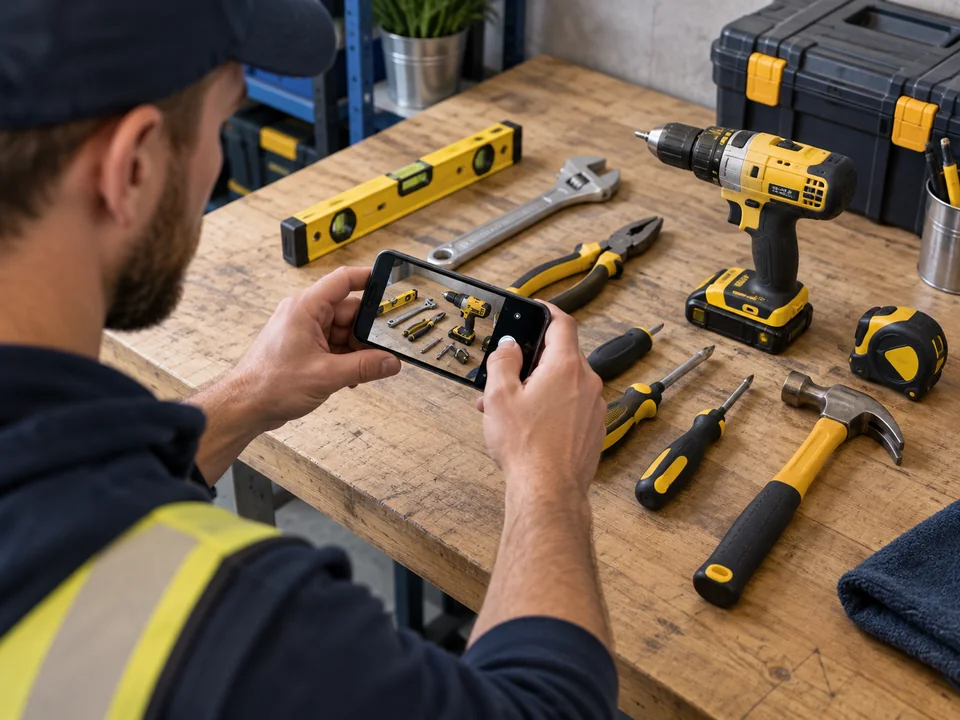
What to Photograph When Recording Your Tools
The small set of photographs that makes a tool record far more useful without filling your phone with duplicates.
Read guide →