
Tool records & inventory
How to Keep Tool Receipts and Proof of Purchase
A simple system for keeping purchase evidence attached to the tools it belongs to.
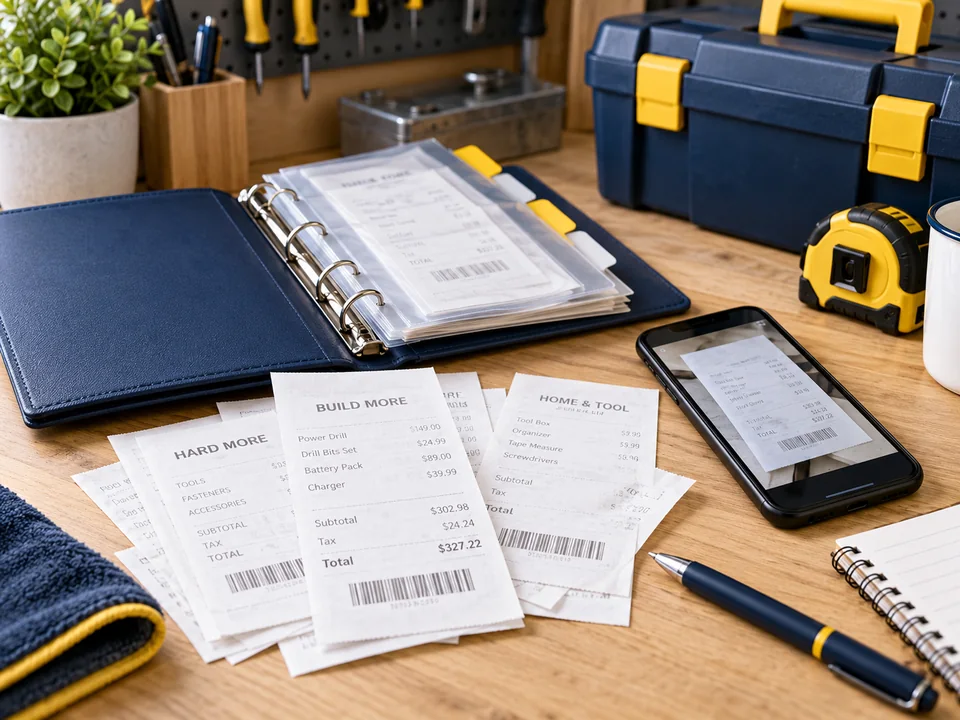
Loose paper receipts fade, email confirmations get buried and supplier invoices end up in different systems. The practical answer is to capture the purchase evidence when you buy the tool and link it to the corresponding record.
Capture the evidence while it is easy
When you purchase a tool, save the digital invoice or take a clear photo of the paper receipt before it is folded into a wallet or left in the van. Make sure the supplier, date, item description and amount are readable.
If one receipt covers several tools, keep one copy but note which items it relates to. The goal is not to create more paperwork; it is to preserve a record you can actually understand later.
Link the receipt to the tool record
A receipt folder by itself may tell you very little when you need to identify one specific drill or saw. Attach or reference the purchase evidence from the corresponding inventory entry, alongside the serial number and photographs.
This also reduces duplicate records because you can see whether a tool already has proof of purchase before adding another copy.
Keep supplier and warranty information nearby
Where useful, record the retailer or supplier, order number and purchase date. These details can help when tracing an invoice, checking a warranty or confirming where a replacement part came from.
Do not rely on the receipt image alone if important details are faint. Record the key information in searchable text as well.
Understand the difference between tool evidence and tax records
For self-employed business records, GOV.UK says you need records of business expenses and should keep proof such as receipts for goods and stock, bank statements and invoices. The exact records you need depend on your business and tax situation.
ToolStack can help organise purchase evidence, but it is not accounting software and does not replace HMRC guidance or advice from an accountant.
Review readability and retention
Thermal-paper receipts can fade. Periodically check that old images remain readable and that important invoices are still accessible. GOV.UK also sets retention periods for self-employed business records, so do not delete tax records simply because a tool has been sold or replaced.
If you are unsure how long a particular record must be kept, use current HMRC guidance or ask your accountant.
Use a consistent naming routine
A simple naming convention makes exported files easier to understand: date, supplier and tool name is usually enough. Avoid filenames such as IMG_4831 or Receipt2 when you can give the file context at the point of capture.
Consistency pays off when you need to find several years of purchase history quickly.
Common questions
Things people often ask.
Are photos of receipts acceptable for tax records?+
HMRC allows records to be kept in different forms, but your records must remain accurate and support the figures you report. Check current HMRC guidance for your circumstances and retain originals where your accountant or other requirements say you should.
What should I do with a receipt covering several tools?+
Keep the receipt once and link or reference it from each relevant tool record. Add the supplier, date and line-item context so it is easy to understand later.
How long should I keep old purchase records?+
For tax records, retention periods depend on your tax position. GOV.UK says self-employed records generally need to be kept for at least five years after the relevant 31 January submission deadline, subject to special cases.
Official sources & further reading
Check the current guidance.
Rules, tax treatment, policy conditions and security advice can change. These official sources support the practical guidance above and are the right place to verify current requirements.
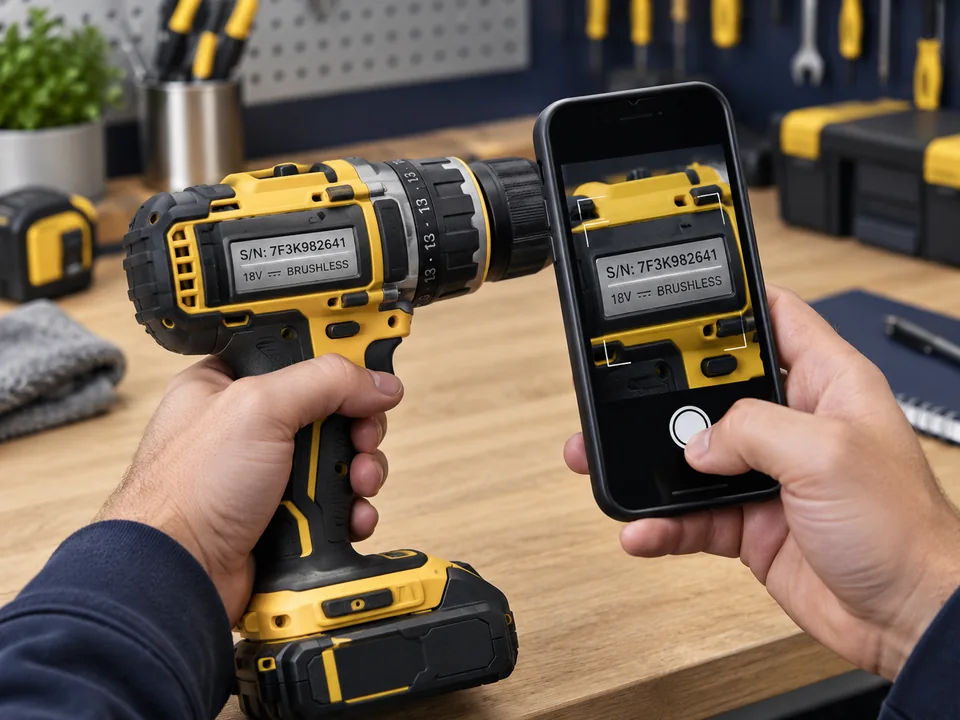
How to Record Tool Serial Numbers Properly
A simple method for recording serial numbers so your tool inventory is actually useful when you need it.
Read guide →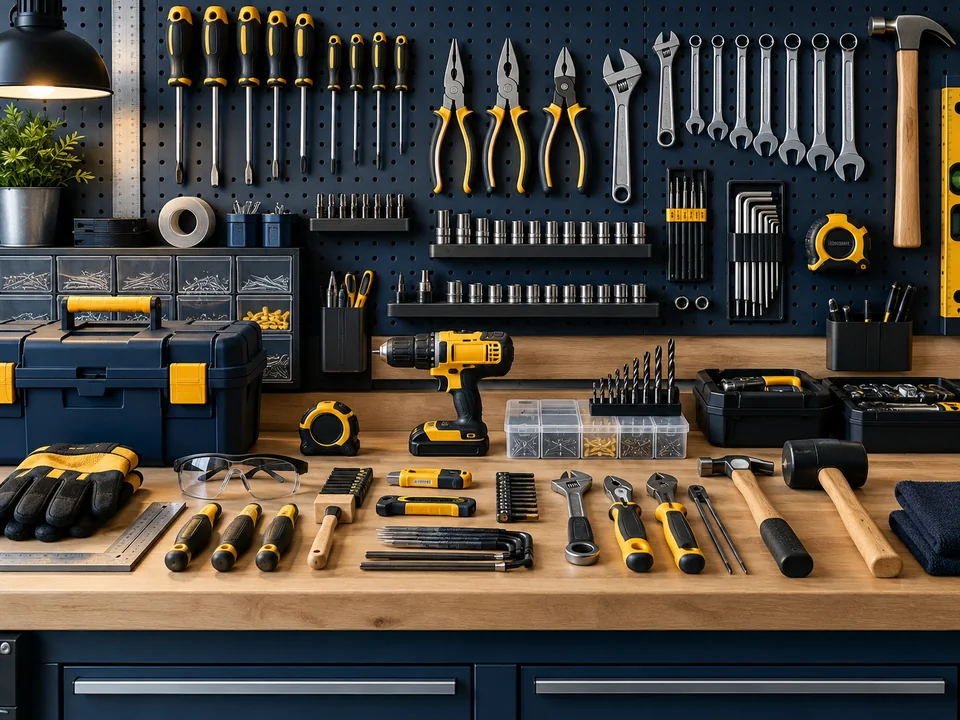
How to Build a Complete Tool Inventory
A practical way to catalogue tools without turning the job into a week-long admin project.
Read guide →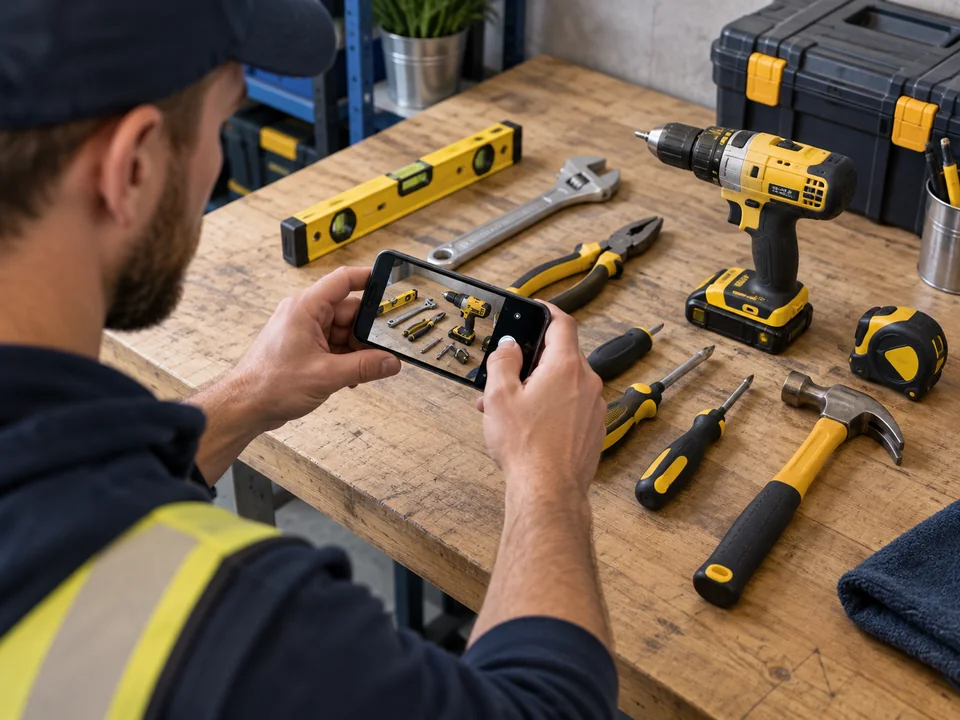
What to Photograph When Recording Your Tools
The small set of photographs that makes a tool record far more useful without filling your phone with duplicates.
Read guide →